Cloud slides are revolutionizing how we create, share, and collaborate on presentations. No longer chained to desktop software, professionals and students alike now harness the power of real-time editing, instant access, and seamless integration—all from the cloud.
What Are Cloud Slides and Why They Matter

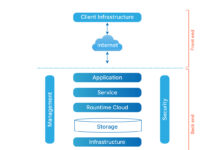
Cloud slides refer to presentation files created, stored, and shared using cloud-based platforms like Google Slides, Microsoft PowerPoint Online, and Canva. Unlike traditional slide decks saved on local hard drives, cloud slides live on remote servers, accessible from any device with an internet connection. This shift has transformed how teams collaborate, present, and manage content across time zones and devices.




The Evolution from Desktop to Cloud
For decades, PowerPoint ruled the presentation world. Files were saved locally, shared via email, and often resulted in version chaos. The rise of broadband internet and mobile computing paved the way for cloud-based alternatives. Google Slides, launched in 2007, was a game-changer, offering free, real-time collaboration. Today, cloud slides are not just a convenience—they’re a necessity in hybrid work environments.
- Desktop presentations required physical access to files.
- Email attachments led to confusion over the latest version.
- Cloud slides eliminate these issues with centralized, version-controlled access.
Core Features of Cloud Slides Platforms
Modern cloud slide platforms offer more than just online editing. They include AI-powered design suggestions, voice typing, comment threads, and integration with calendars and video conferencing tools. For example, Google Slides allows users to suggest edits, assign action items, and even present with live captions.
“The cloud isn’t just a place to store files—it’s a collaborative workspace that evolves with your team.” — TechCrunch, 2023
Top 5 Cloud Slides Platforms Compared
Not all cloud slide tools are created equal. Each platform offers unique strengths depending on your needs—be it design flexibility, collaboration depth, or integration with other tools. Let’s explore the top five platforms powering cloud slides today.
Google Slides: Simplicity and Collaboration
Google Slides is the go-to for teams already in the Google Workspace ecosystem. Its strength lies in real-time co-editing, where multiple users can work on the same slide deck simultaneously. Comments, chat, and version history make it ideal for educators and remote teams.
- Free to use with a Google account.
- Integrates seamlessly with Google Drive, Docs, and Sheets.
- Limited design customization compared to premium tools.
Microsoft PowerPoint Online: Power Meets Cloud
PowerPoint Online brings the robust features of desktop PowerPoint to the browser. It supports advanced animations, transitions, and compatibility with legacy .pptx files. While not as collaborative as Google Slides, it excels in fidelity and professional polish.
- Available with Microsoft 365 subscription.
- Preserves complex formatting from desktop versions.
- Real-time collaboration is improving but still lags behind Google.
Canva Presentations: Design-First Approach
Canva has disrupted the design world, and its presentation tool is no exception. With thousands of templates, drag-and-drop editing, and brand kit integration, Canva makes it easy to create visually stunning cloud slides without design experience.
- Free tier available; Pro version unlocks team collaboration.
- Excellent for marketers, startups, and educators.
- Less suited for data-heavy or technical presentations.
Prezi: Dynamic and Non-Linear Storytelling
Prezi stands out with its zoomable canvas, allowing presenters to move fluidly between ideas. Instead of linear slides, Prezi uses spatial relationships to create engaging narratives. It’s particularly effective for pitches and educational content.
- Unique visual storytelling format.
- Can be dizzying if overused.
- Premium pricing required for full features.
Zoho Show: The Underdog with Enterprise Features
Zoho Show is part of the Zoho Office Suite, offering robust collaboration, offline access, and integration with CRM and project management tools. It’s a strong choice for small businesses already using Zoho products.
- Fully integrated with Zoho ecosystem.
- Offers offline editing and presenter notes.
- Smaller user base means fewer community templates.
How Cloud Slides Transform Team Collaboration
One of the most significant advantages of cloud slides is their ability to enhance team collaboration. Gone are the days of emailing PowerPoint files back and forth. With cloud slides, teams can co-create, review, and finalize presentations in real time, regardless of location.
Real-Time Co-Editing and Simultaneous Input
Platforms like Google Slides allow multiple users to edit the same slide deck simultaneously. Each collaborator appears in a different color, and changes are reflected instantly. This eliminates delays and ensures everyone is on the same page—literally.
- Reduces the need for follow-up meetings to consolidate feedback.
- Encourages inclusive participation from remote team members.
- Version conflicts are automatically resolved by the system.
Commenting, Suggesting, and Task Assignment
Cloud slides platforms include built-in commenting features. Users can highlight specific text or images and leave feedback. Some tools, like Microsoft PowerPoint Online, allow users to assign comments as tasks, tracking who needs to make changes.
“We cut our presentation review cycle from 3 days to 4 hours using cloud slides with commenting features.” — Marketing Manager, Tech Startup
Integration with Communication Tools
Cloud slides integrate with tools like Slack, Zoom, and Microsoft Teams. For example, you can share a Google Slides link directly in a Slack channel and present it during a Zoom call. This seamless workflow enhances productivity and reduces context switching.
- Present live from the cloud during video conferences.
- Receive instant feedback via chat integrations.
- Automate notifications when a slide is updated.
Best Practices for Creating Effective Cloud Slides
Creating compelling cloud slides goes beyond just choosing the right platform. It involves thoughtful design, clear messaging, and strategic use of features. Follow these best practices to maximize impact.
Keep Design Clean and Consistent
Cluttered slides distract from your message. Use consistent fonts, colors, and layouts across all slides. Most cloud platforms offer theme editors to maintain brand consistency. Avoid excessive animations or transitions that can slow down performance.
- Stick to one font family and two accent colors.
- Use high-contrast text for readability.
- Leverage built-in grid and alignment tools.
Use Visuals Over Text
People process images 60,000 times faster than text. Replace long paragraphs with charts, icons, and infographics. Cloud slides platforms like Canva offer libraries of free visuals. Always ensure images are high-resolution and relevant.
- Use icons to represent concepts (e.g., a lightbulb for ideas).
- Embed live data charts from Google Sheets or Excel Online.
- Avoid copyright issues by using royalty-free image sources.
Optimize for Different Devices and Internet Speeds
Cloud slides must perform well on smartphones, tablets, and low-bandwidth connections. Compress images, limit video size, and avoid heavy animations. Test your presentation on multiple devices before sharing.
- Use responsive templates that adapt to screen size.
- Host large videos on YouTube and embed them.
- Enable offline access for users with spotty connectivity.
Security and Privacy in Cloud Slides
While cloud slides offer convenience, they also raise concerns about data security. Sensitive business strategies, financial data, or student records shouldn’t fall into the wrong hands. Understanding privacy controls is essential.
Understanding Sharing Permissions
Most platforms offer granular sharing settings: view-only, comment, or edit access. Always set the default to “Restricted” and invite users individually. Avoid using public links for confidential content.
- Use “Anyone with the link” only for public presentations.
- Revoke access when a project ends.
- Enable two-factor authentication for account security.
Data Encryption and Compliance
Reputable cloud slide providers use end-to-end encryption and comply with standards like GDPR and HIPAA. For example, Microsoft Trust Center details how PowerPoint Online protects user data. Always verify compliance if handling regulated information.
“Encryption in transit and at rest ensures your cloud slides are safe from unauthorized access.” — Cybersecurity Expert, 2024
Preventing Accidental Leaks
Human error is the biggest security risk. Employees might accidentally share a link publicly or forward a presentation to the wrong person. Use audit logs to track access and educate teams on secure sharing practices.
- Conduct regular training on data handling.
- Use watermarks for sensitive presentations.
- Enable link expiration for temporary access.
Cloud Slides for Education: A Game Changer
Educators and students have embraced cloud slides for their accessibility and collaborative potential. From classroom lectures to student group projects, cloud slides are reshaping how knowledge is shared and created.
Student Collaboration on Group Projects
Cloud slides allow students to work together on presentations without meeting in person. Teachers can monitor progress, leave feedback, and ensure equal participation. This fosters digital literacy and teamwork skills essential for the modern workforce.
- Assign roles: one student researches, another designs, another presents.
- Use version history to track individual contributions.
- Integrate with learning management systems like Google Classroom.
Interactive Lessons and Student Engagement
Teachers use cloud slides to create interactive lessons with embedded quizzes, videos, and clickable elements. Platforms like Nearpod integrate with Google Slides to add real-time polls and questions, keeping students engaged.
- Use animations to reveal answers step-by-step.
- Share slides with students for note-taking.
- Enable student access to edit specific slides during class.
Accessibility Features for Inclusive Learning
Cloud slides support accessibility tools like screen readers, voice typing, and live captions. Google Slides, for instance, allows users to add alt text to images, making content accessible to visually impaired students.
- Add descriptive alt text to all visuals.
- Use high-contrast color schemes.
- Provide transcripts for embedded audio or video.
Future Trends in Cloud Slides Technology
The future of cloud slides is being shaped by artificial intelligence, augmented reality, and deeper ecosystem integration. As remote work and digital learning become permanent fixtures, cloud slides will evolve to meet new demands.
AI-Powered Design and Content Generation
AI is already helping users create better slides. Canva’s Magic Design and Google Slides’ Explore feature suggest layouts and content based on your topic. In the near future, AI could generate entire presentations from a simple text prompt.
- AI analyzes your content and recommends design improvements.
- Natural language processing can summarize long documents into slides.
- AI voiceovers can narrate your presentation automatically.
Immersive Presentations with AR and VR
Imagine presenting a product demo in 3D using augmented reality, or walking your audience through a virtual environment. Companies like Prezi are experimenting with VR presentations, allowing users to step inside their slides.
- Enhances engagement in virtual meetings.
- Useful for architecture, engineering, and medical training.
- Requires specialized hardware but will become more accessible.
Deeper Integration with Productivity Ecosystems
Cloud slides will become more tightly integrated with project management, CRM, and analytics tools. For example, a sales team could pull live data from Salesforce into a PowerPoint Online deck, updating figures in real time during a client pitch.
- Automated data syncing reduces manual updates.
- Presentations become dynamic dashboards.
- Workflow automation triggers slide updates based on events.
What are cloud slides?
Cloud slides are presentation files created and stored online using platforms like Google Slides, Microsoft PowerPoint Online, or Canva. They allow real-time collaboration, easy sharing, and access from any device with internet connectivity.
How do cloud slides improve teamwork?
Cloud slides enable multiple users to edit, comment, and review presentations simultaneously. Features like version history, task assignment, and integration with communication tools streamline collaboration and reduce delays.
Are cloud slides secure?
Yes, when used correctly. Reputable platforms use encryption and offer granular sharing controls. Users should set permissions carefully, avoid public links for sensitive content, and follow organizational security policies.
Can I use cloud slides offline?
Yes, most platforms support offline access. Google Slides and PowerPoint Online allow you to enable offline mode in your browser or app, so you can view and edit slides without internet, with changes syncing once back online.
Which cloud slides platform is best for education?
Google Slides is widely used in education due to its ease of use, real-time collaboration, and integration with Google Classroom. It’s free for schools and supports accessibility features essential for inclusive learning.
Cloud slides have transformed the way we create and share information. From seamless collaboration and enhanced security to AI-driven design and immersive experiences, they are no longer just digital replacements for PowerPoint—they are powerful tools shaping the future of communication. Whether you’re a student, educator, or business professional, mastering cloud slides is essential for staying competitive in a digital-first world. By choosing the right platform, following best practices, and staying ahead of trends, you can unlock the full potential of cloud-based presentations.
Further Reading:
